
Sep
Obesity is one of the most common lifestyle-related diseases of our time. Unfortunately, it is increasingly affecting children as well. This is largely a consequence of technological and social development. Today, children spend more and more time in front of the TV, on their phones, or using computers. At the same time, they have easy access to high-calorie meals and snacks while getting too little physical activity. All of this can contribute to excessive weight gain. So, what can be done to help? First, it is important to understand how harmful excess weight can be to a child’s health.
What health problems can childhood obesity cause?
Contrary to what some people may think, childhood obesity can be just as harmful as obesity in adults. It can contribute to a wide range of health problems, disorders, and diseases. Here are some of the most important health issues associated with obesity:
- disorders of glucose metabolism (insulin resistance, type 2 diabetes),
- fatty liver disease,
- abnormal lipid levels,
- emotional and psychological problems,
- an increased risk of developing certain types of cancer later in life,
- bone and joint problems caused by excessive strain on muscles and bones.
Preventing and addressing childhood obesity requires changes to the lifestyle of the entire family. Along with improving eating habits, it is also important to change everyday routines – introduce regular exercise and simply increase daily physical activity. In some cases, such as when a child is being bullied at school, professional psychological support may also be essential.
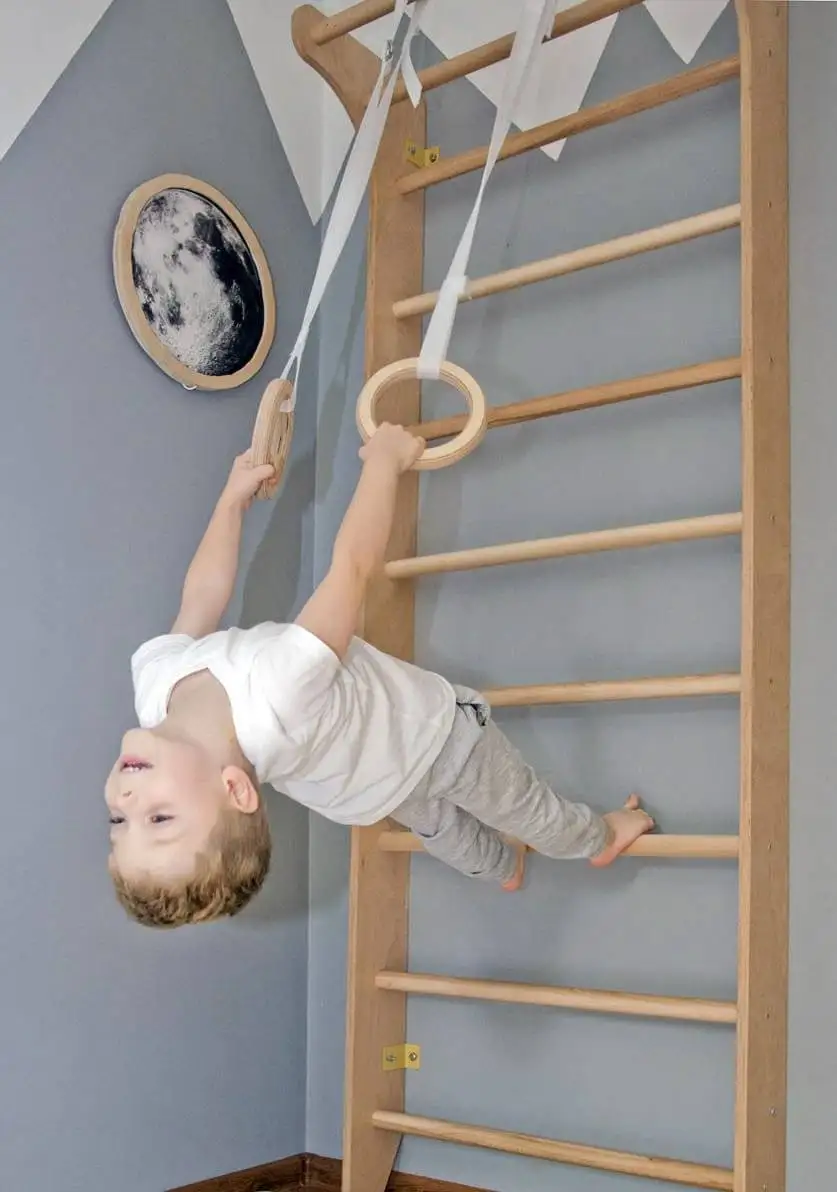
Physical activity – why is it so important when the goal is to lose excess weight?
Through physical exercise, it is possible to positively influence fat metabolism as well as the functioning of the muscular, respiratory, cardiovascular, and nervous systems. Physical activity can also have a positive effect on psychological well-being and hormone levels. The type and extent of these changes depend on the intensity, duration, and regularity of a child’s exercise. Most importantly, a well-chosen exercise routine can help a child gradually achieve and maintain a healthy body weight.
How should you choose the right physical activities for children?
The key is to choose activities that the child enjoys and is happy to take part in. It is worth building on activities they already like and gradually introducing additional exercises. The worst thing you can do is force a child to take part in activities or sports they dislike – even if those activities might be more effective than the ones they actually enjoy. The child’s weight, individual characteristics such as height, and physical abilities should also be taken into account.
It is equally important to make sure that the chosen exercises or leisure activities are genuinely effective in terms of improving physical fitness. Whenever possible, children should also have the opportunity to exercise and play with their peers. Even better results can often be achieved when physical activity takes the form of shared play. When necessary, it is worth consulting a specialist, such as a physiotherapist, dietitian, or physical education teacher. They can provide additional guidance and adjust the activities to the child’s individual needs.
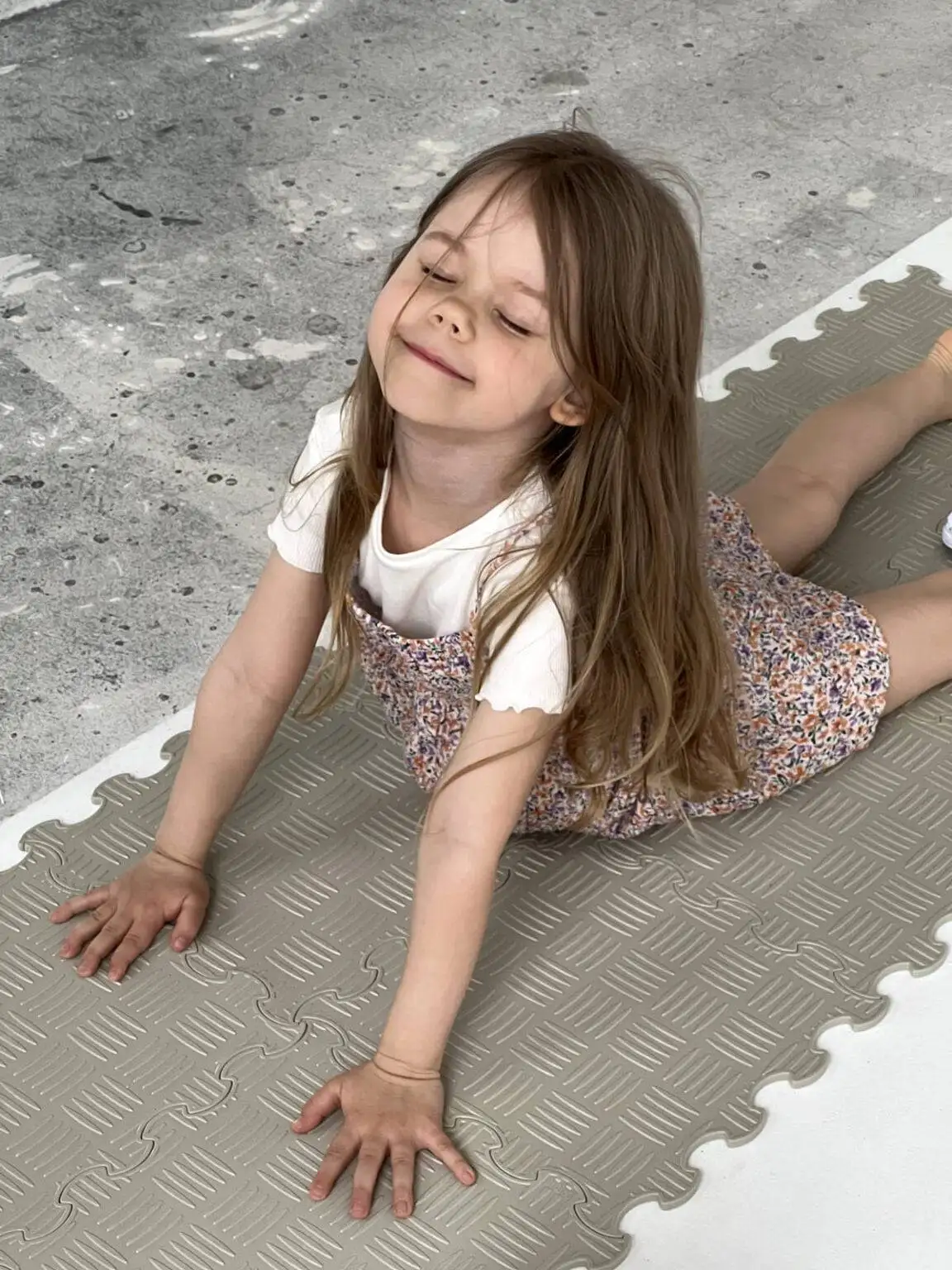
Where and how should children exercise?
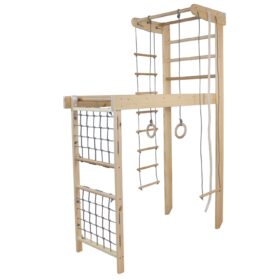
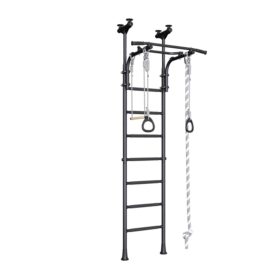
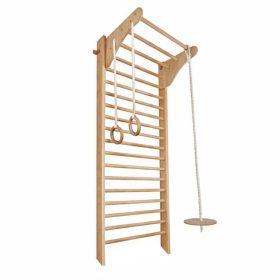
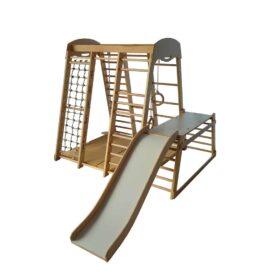
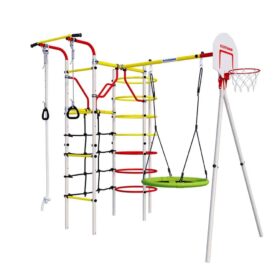
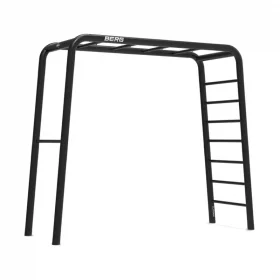
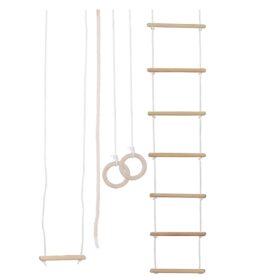
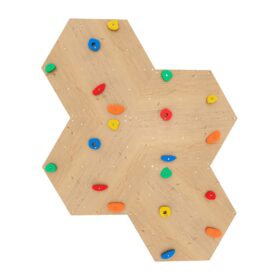
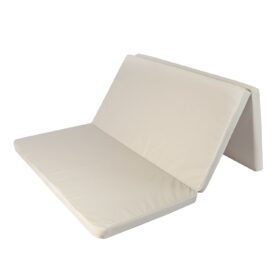
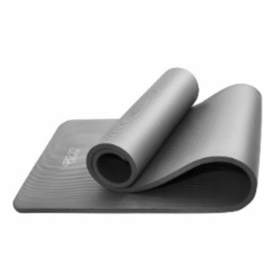
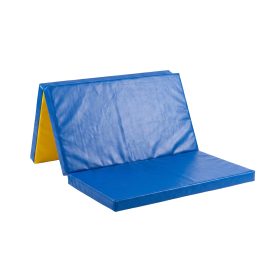
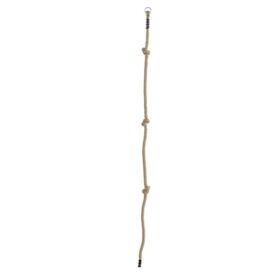
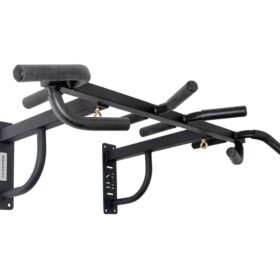
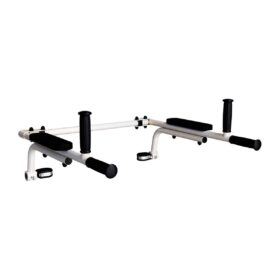
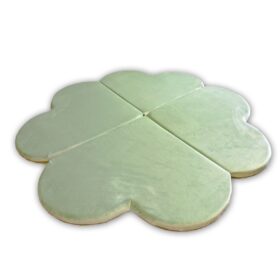
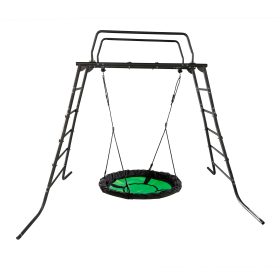
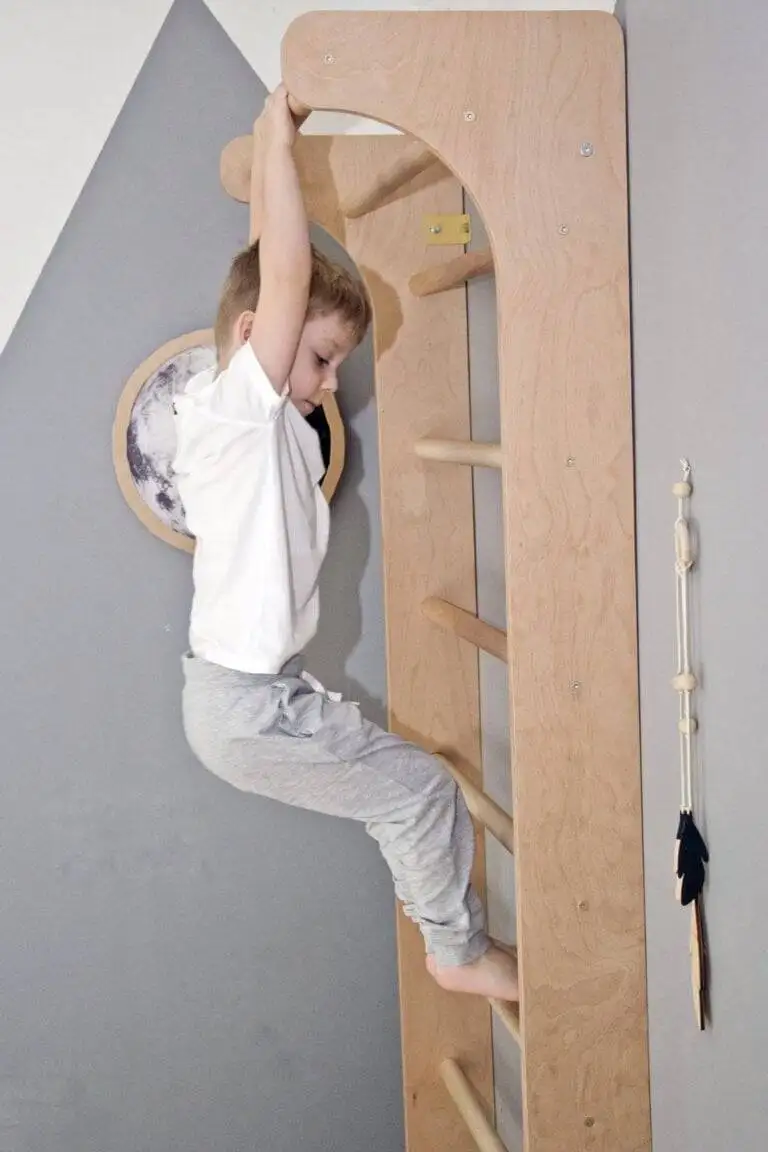
Children can exercise almost anywhere – at home, in the garden, in the park, or on a playground. It’s worth remembering that even simple activities such as cycling or rollerblading can provide excellent physical benefits. The same applies to play. The important thing is to keep children moving and encourage them to engage different muscle groups. For this purpose, you can use an outdoor playground or a home gym. To get started, however, all you really need is a gymnastics mat and a wall-mounted climbing frame suitable for your home. Sit-ups, squats, push-ups, and bends – these familiar exercises are a good place to start. But what next?
If your child enjoys running, why not introduce a morning jogging routine around the neighbourhood or in a nearby park? Another option could be swimming or a home fitness routine prepared in advance. It’s a good idea to involve the whole family in planning these activities – one person can prepare the exercises for the day and then take on the role of instructor. This can make challenging exercises more enjoyable for the child while also providing valuable support from family members and, potentially, friends. With this kind of encouragement, children may be more motivated to stay active and develop healthier habits.