Apr
The method of Alfred and Maria Kniess was developed in the 1970s. It is a form of creative, rhythmic gymnastics focused on the gradual exploration of new types and forms of movement. The basic components of this method are movement, rhythm, music, and various types of equipment.
What is most important in gymnastics according to A. M. Kniess?
In this method, pleasant sensations, well-being, and the joy derived from movement play a crucial role. During the exercises, rhythmic movements and music are combined into a harmonious whole. A feedback effect occurs between these elements, where each influences the other, regulating the frequency, speed, and intensity of movement.
Another important factor (besides rhythm, movement, and music) is aesthetically designed equipment used during exercises (e.g., rattles, ribbons on sticks, sensory balls, finger bells). These elements participate equally in the entire process. Just like music, movement demonstration, or accompaniment, they stimulate and evoke specific (desired) motor responses.
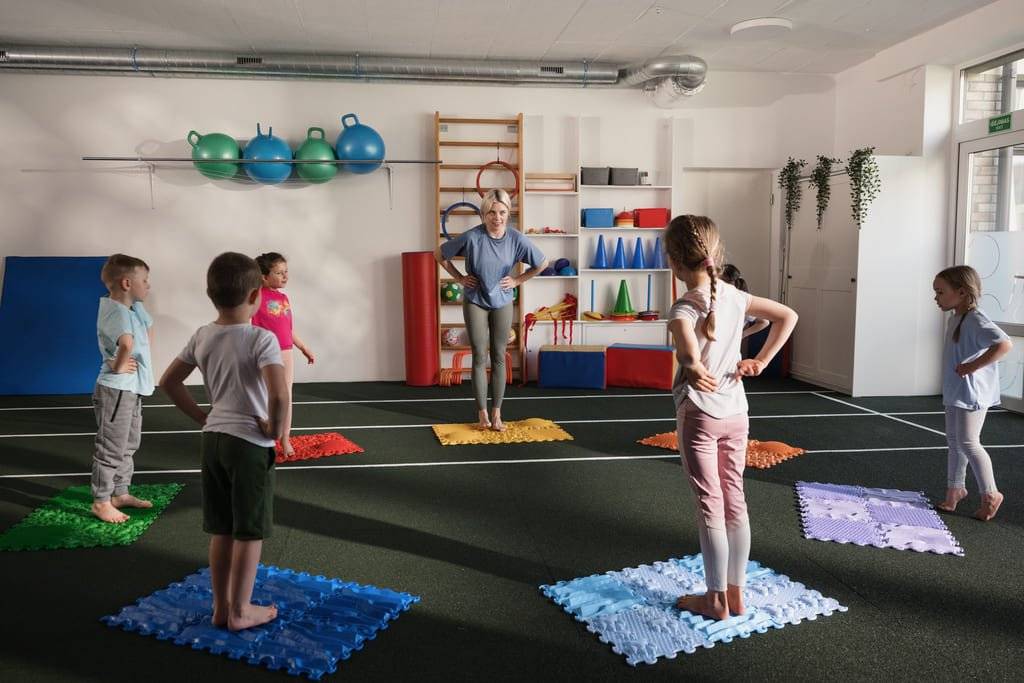
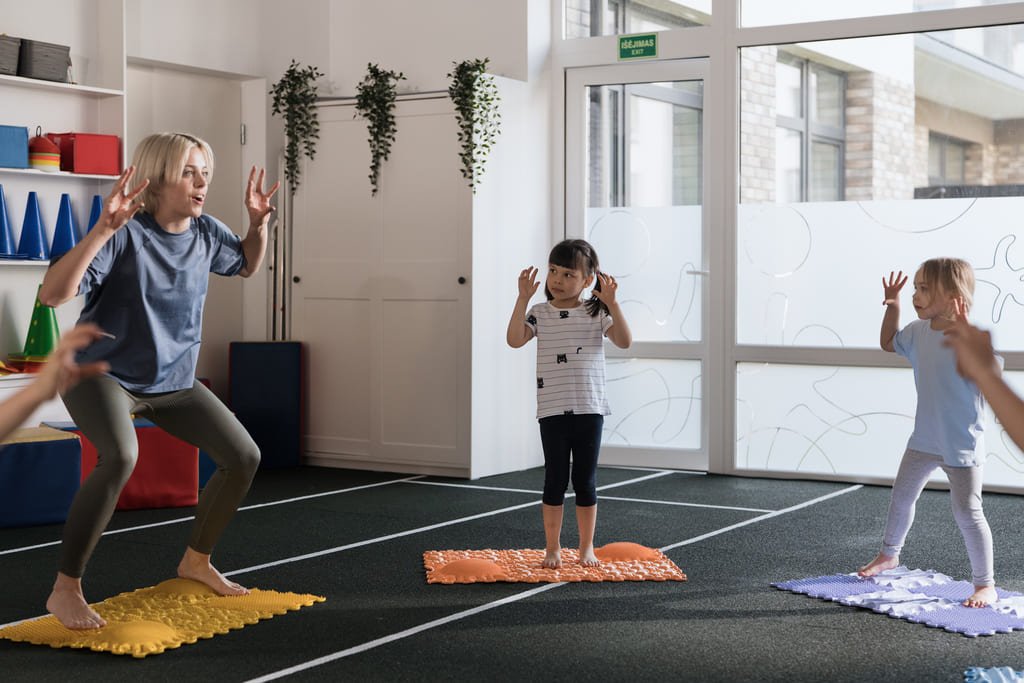
The basic structure of classes using this method involves imitating the instructor’s movements. These should be performed in a rhythmic tempo, accompanied by rhythmic music. The instructor not only demonstrates movements but also exercises together with the participants. As the child gains confidence and courage in performing movements, the teacher can gradually give them more freedom. The instructor also learns from the participants.
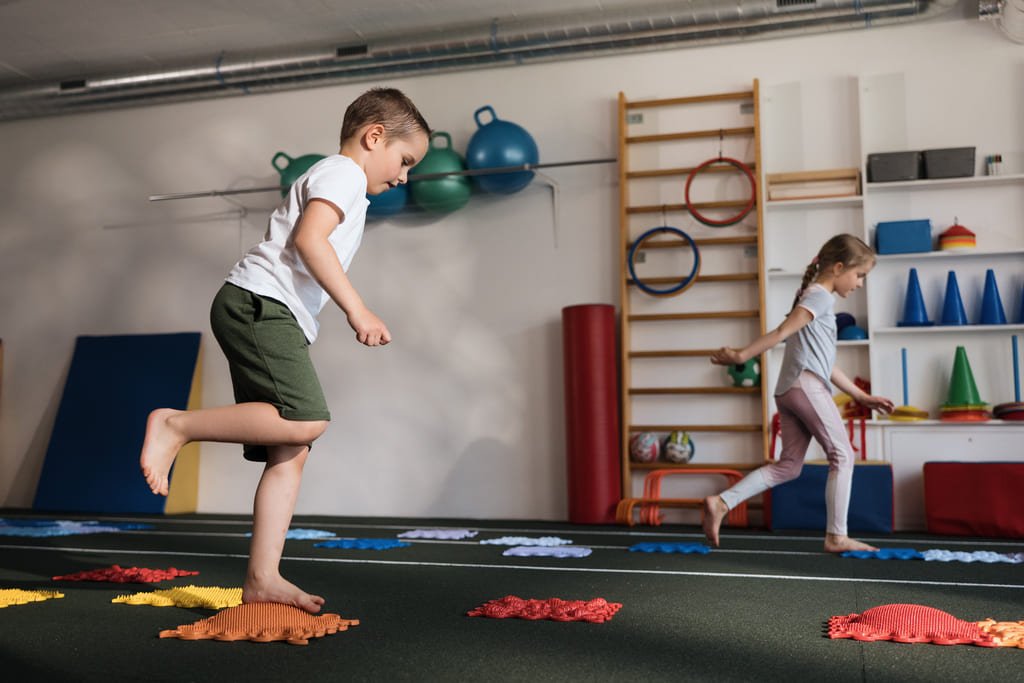
Rhythmic gymnastics exercises include a significant amount of improvisation, individual interpretation of rhythm and music, and creative use of equipment. Children perform exercises in various rhythms and positions, effectively satisfying their natural need for movement.
The role of equipment
Properly selected equipment is a very important element of this method. A characteristic feature of this type of rhythmic gymnastics is the use of two pieces of equipment simultaneously by one person. The most commonly used include:
- rattles
- gymnastic sticks
- drums
- bells
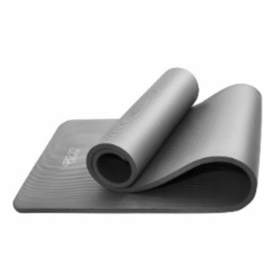
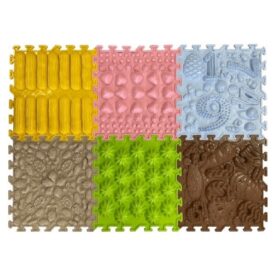
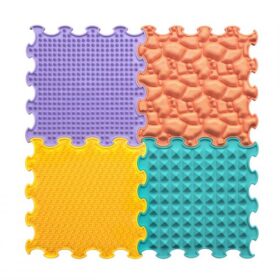
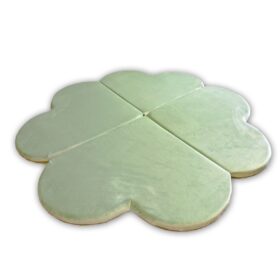
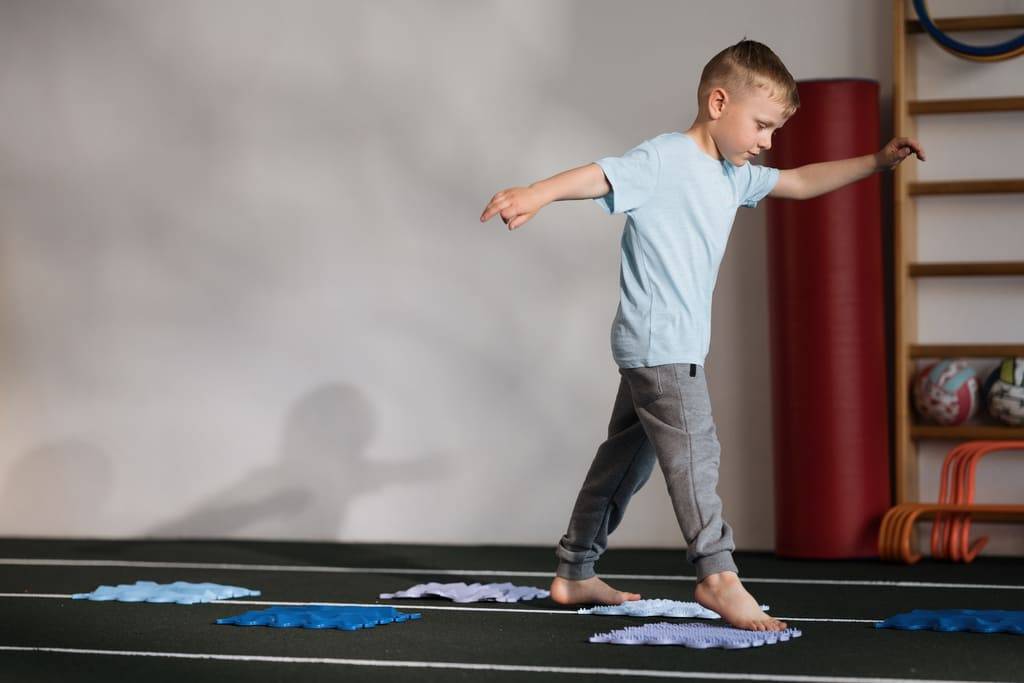
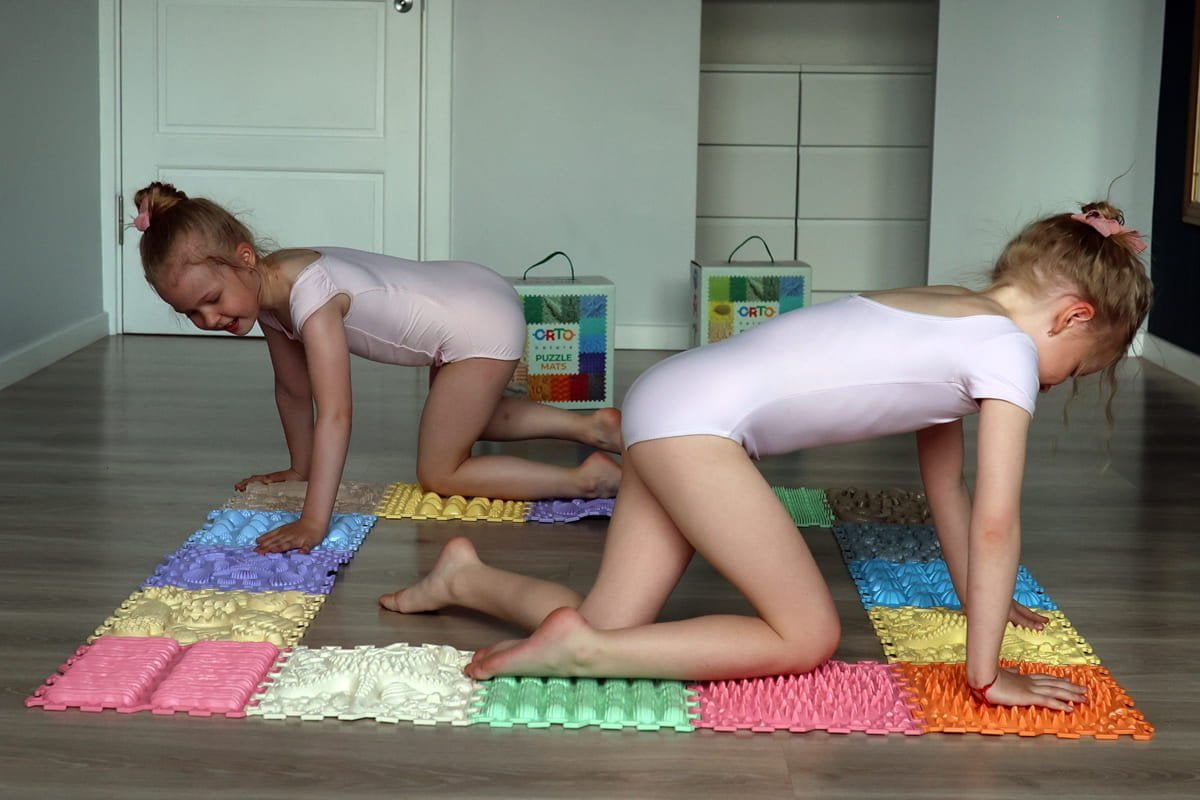
- sensory mats
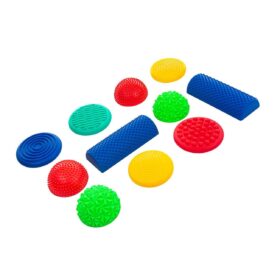
- sensory balls
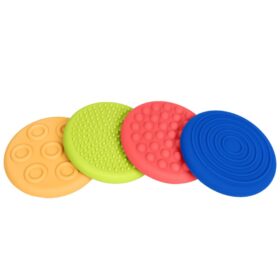
Other items such as ribbons, homemade rattles, or sensory discs can also be used effectively.
The creators of the method emphasize that equipment should not slow down movement. It should give meaning to all performed activities. Therefore, it should not be too heavy or too large.
Principles of rhythmic gymnastics
The authors of the method also developed key principles:
- Exercises should be performed with joy
- Motivation should be gradually developed (e.g., through dance, movement improvisation, and play)
- Developing a sense of rhythm and improving coordination are essential
- New forms and types of movement should be explored
- Rhythm and music should be treated as stimuli for movement
- Equipment should be attractive enough to encourage activity
- Demonstrated movements should be combined with open tasks and improvisation
- Verbal instructions should be limited
- Stereotypical exercise sets typical of traditional gymnastics should be avoided
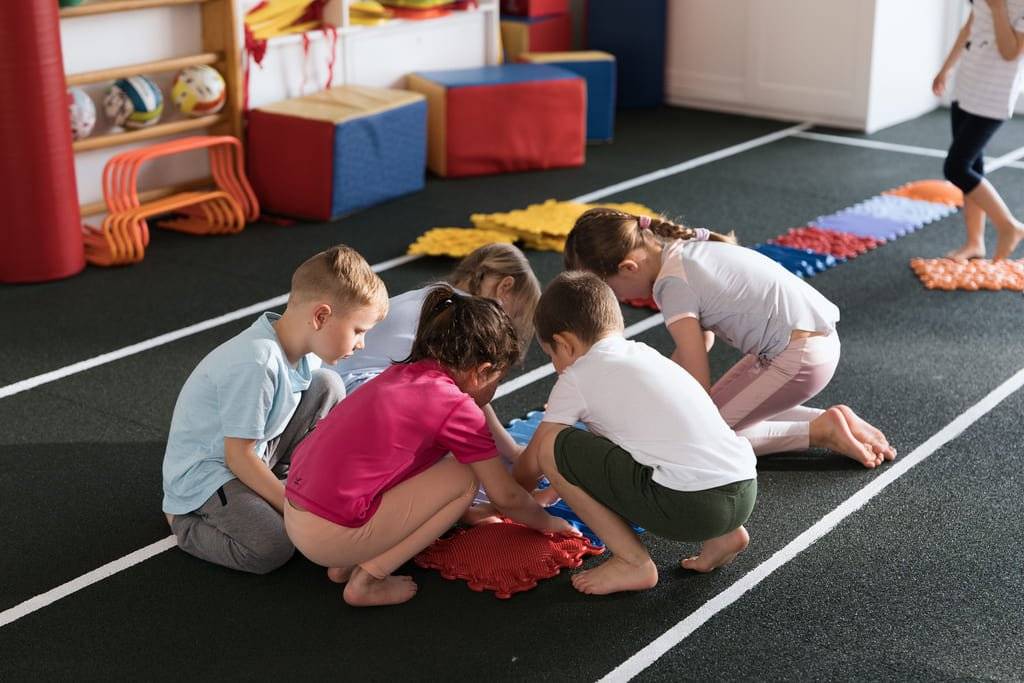
The Kniess method is also characterized by a strong emphasis on expressive movement and the active participation of all participants. It is based on positive motivation and a child-centered approach. The group follows the instructor’s movements while also introducing many new and creative ideas into the activities.