
May
Research shows that posture defects among children occur more frequently in highly developed countries. The main causes are lack of physical activity and a sedentary lifestyle. What are posture defects? These are changes in the positioning of the spine, pelvis, chest, and limbs that disrupt the body’s natural balance of tension and forces generated during movement. The best way to prevent them is through proper prevention. Regularly performed and well-chosen exercises can also be very helpful.
What Does Proper Posture Look Like?
Although there is no single officially approved model of correct posture, a healthy posture should have several key characteristics:
- the head should be positioned straight above the chest,
- the shoulders should not lean forward and must remain at the same height,
- the shoulder blades should lie flat against the chest and not stick out,
- the lower angles of the shoulder blades should be aligned evenly,
- the waist indentations should be symmetrical,
- the stomach should be flat, while the chest should be well-shaped and symmetrical,
- only slight natural spinal curves (kyphosis and lordosis) are considered normal.

Prevention of Posture Defects
Basic principles of posture defect prevention:
introducing corrective gymnastics at home when necessary, as school activities alone may not be enough.
teaching children proper posture during play and studying,
providing suitable learning conditions (appropriate desk and chair height),
ensuring a balanced diet (both deficiency and excess of calories can be harmful),
encouraging enough physical activity (movement games and active play),
making sure that a sedentary lifestyle is only one form of rest,
preventing excessive overload caused by studying,
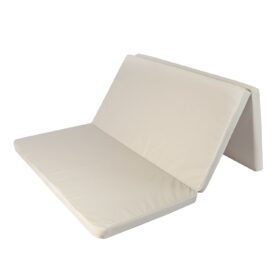
ensuring good sleep quality and proper sleep duration (a comfortable mattress and bed are essential),
choosing comfortable clothes and shoes that do not restrict movement.
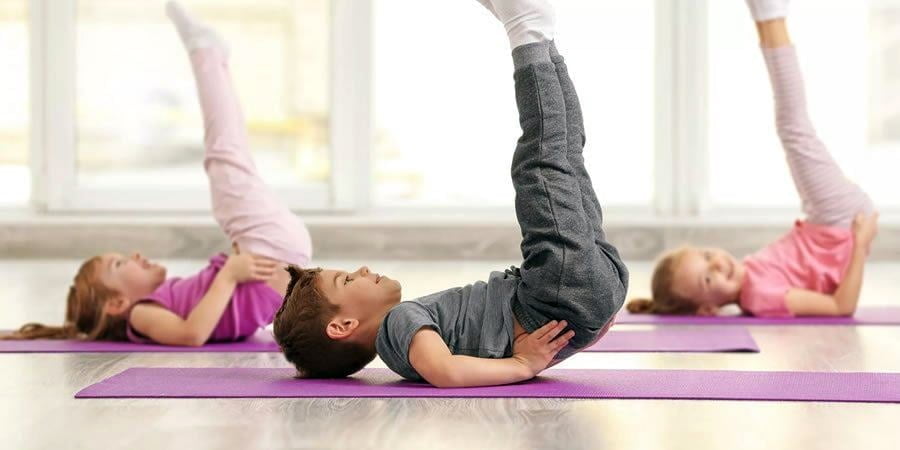
Example Exercises to Do With a Child
- For this exercise, you will need two hardcover books. One book should be placed on the child’s head and the other on your own head. The goal is, for example, to reach another room as quickly as possible without letting the book fall. The winner is the person who reaches the destination first. The game can be repeated several times.
- The child should sit on their heels and bend deeply forward without lifting the hips from the heels. The arms should be stretched as far forward as possible, and an object such as a pencil should be placed on the floor. This exercise should be repeated 5–10 times. It is best if the child places the pencil slightly farther away each time. Later, the roles can be switched — the parent exercises while the child monitors progress.
- A broomstick should be held with both hands and placed across the back so that it rests on both shoulder blades. Turn on your favorite music and suggest dancing together while holding the stick. The person who performs the most creative and varied dance moves wins.
Corrective Exercises – Selected Examples
These are examples of exercises adjusted to specific posture defects. It is always recommended to consult a physiotherapist or medical specialist beforehand.
Rounded Back
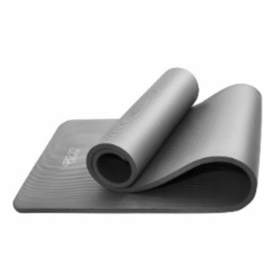
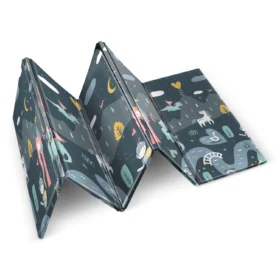
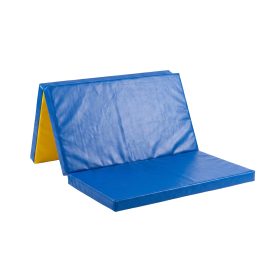
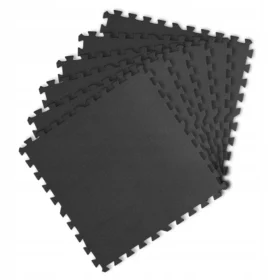
Lie on your stomach (for example, on a gym mat). Place your arms in a “wing” position, keep your legs straight and supported on the floor. The exercise involves lifting the forearms and torso upward. The head should face downward, while the shoulder blades should be squeezed together. Hold this position for at least 8–10 seconds. Repeat the exercise 10–15 times.
Flat Back
Start in an all-fours position. The knees should be hip-width apart, and the hands should rest on the floor shoulder-width apart. Perform a “cat back” stretch and hold the position for about 5 seconds. Then relax and arch the spine in the opposite direction. Repeat the exercise 15 times.
Hollow Back
Lie on your back with your arms positioned like wings. Place your legs against a wall so that they form a 40-degree angle with the floor. The exercise involves performing vertical “scissor kicks,” lifting the legs slightly away from the wall. The optimal duration is 10–15 seconds with ten repetitions.